5 METER MINIMUM · 44–120" WIDTH · PAN INDIA & WORLDWIDE
MD DIGITAL FABRIC PRINTING
INDUSTRIAL FLATBED FABRIC PRINTING
Industrial Flatbed Fabric Printing for Professional Textile Production.
MD Digital Fabric Printing provides professional industrial flatbed fabric printing for custom fabric, textile and cloth printing requirements.
Our production-scale flatbed textile printing supports detailed repeat designs, controlled colour application and registered printing for suitable fashion, garment, furnishing and B2B textile requirements.
Custom fabric and textile printing for businesses across India and worldwide.


HOW FLATBED PRINTING WORKS
How Industrial Flatbed Textile Printing Works.
Industrial flatbed fabric printing is a production-scale textile printing process used to develop detailed repeat designs across fabric, textile and cloth.
Wide fabric moves through the flatbed printing process while individual screens apply different elements of the design in sequence.
01 — FABRIC FEED
Fabric is prepared and positioned for printing.
02 — SCREEN POSITIONING
Flat screens are positioned according to the design and repeat.
03 — COLOUR APPLICATION
Required colours are applied through individual screens.
04 — REGISTRATION
Successive design elements are aligned during printing.
05 — PRINT DEVELOPMENT
The complete repeat design develops across the fabric.
ARTWORK → COLOUR SEPARATION → FLAT SCREENS → REGISTRATION → PRINTED TEXTILE
COLOUR SEPARATION & REGISTRATION
Building Multi-Colour Textile Designs with Controlled Registration.
Flatbed textile printing builds multi-colour designs through carefully prepared colour separations and individual flat screens. Each screen carries a specific part of the design, and successive print elements are positioned to develop the complete textile pattern.
01
ARTWORK REVIEW
Review the design, colours and repeat structure.
02
COLOUR SEPARATION
Separate the artwork into the required print elements.
03
SCREEN REGISTRATION
Position successive flat screens according to the design.
04
DESIGN BUILD-UP
Individual print elements combine to develop the finished pattern.
REPEAT DESIGN DEVELOPMENT
From a Single Motif to Continuous Printed Fabric
Flatbed textile printing can develop repeat-based designs across fabric through planned artwork, repeat development and successive printing.
The repeat structure allows the original motif to continue across the textile while maintaining the intended pattern direction and visual rhythm.
01 — MOTIF: Start with the original textile design or artwork.
02 — REPEAT DEVELOPMENT: Arrange the motif into a suitable repeating pattern.
03 — SCREEN SETUP: Prepare the required flat-screen sequence for the developed repeat.
04 — PRINT CONTINUITY: Successive printing develops the repeating pattern across the fabric.

MOTIF → REPEAT → FLAT SCREENS → PRINTED FABRIC
THE PRINTING PROCESS
From Artwork Preparation to Printed Fabric
Flatbed fabric printing follows a structured production process to convert textile artwork into a repeatable printed design. Each stage prepares the design, screens and fabric for the next step until the complete pattern is developed on the textile.
ARTWORK → SEPARATION → SCREENS → FABRIC SETUP → PRINTING → REVIEW
01
ARTWORK PREPARATION
Prepare the textile design and required repeat.
02
COLOUR SEPARATION
Separate the design into individual colour elements.
03
SCREEN PREPARATION
Prepare the flat screens required for the design.
04
FABRIC SETUP
Position and prepare the fabric for the printing process.
05
PRINTING & REGISTRATION
Apply the design elements through successive screens with controlled alignment.
06
PRINT REVIEW
Review the developed print, repeat and overall appearance.


PRODUCTION CAPABILITIES
Built for Detailed and Repeat-Based Textile Printing
Industrial flatbed printing provides a structured way to produce detailed textile designs using individual screens, planned colour sequences and controlled repeat development.
The process can support different design directions and production requirements depending on the artwork, fabric and intended application.
01
MULTI-COLOUR DESIGNS
Build designs through individual colour and print elements.
02
DETAILED PATTERNS
Develop intricate motifs and structured textile artwork.
03
REPEAT PRINTING
Continue planned repeat designs across the fabric.
04
CONTROLLED REGISTRATION
Align successive print elements during production.
05
CUSTOM DESIGN DEVELOPMENT
Work with custom artwork for specific textile requirements.
06
PRODUCTION FLEXIBILITY
Adapt the printing approach according to the design, fabric and project.
FABRICS & TEXTILES
Flatbed Printing for Different Textile Requirements
Flatbed printing can be used for a range of textile applications, with the printing approach selected according to the fabric, design, colour requirements and intended end use.
Fabric suitability can vary depending on the material construction, surface and specific printing requirements.
01
COTTON & COTTON-BASED FABRICS
For suitable fashion, garment and textile applications.
02
VISCOSE & RAYON FABRICS
For suitable printed apparel and textile requirements.
03
LINEN & BLENDED TEXTILES
For selected fashion, furnishing and design applications.
04
SILK & SILK-BLEND FABRICS
For suitable decorative and premium textile projects.
05
HOME FURNISHING TEXTILES
For selected décor, interior and furnishing applications.
06
CUSTOM TEXTILE REQUIREMENTS
Fabric suitability can be reviewed according to the project.

WHAT WE PRINT
Flatbed Printing for Fashion, Furnishing and Textile Applications
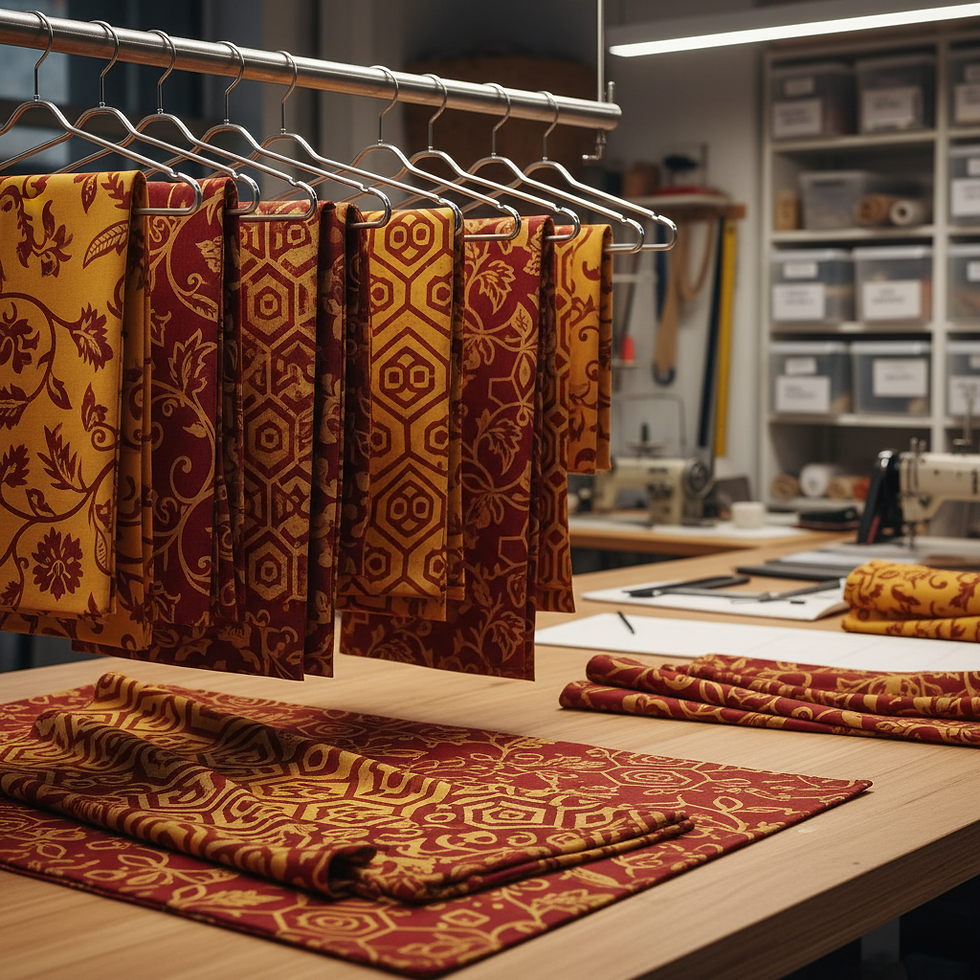
Flatbed printing can support a variety of textile design directions, from fashion and garment fabrics to decorative and furnishing textiles.
The printing approach can be planned according to the artwork, repeat structure, fabric and intended application.

01
FASHION FABRICS
Printed textiles for fashion collections and apparel development.
02
GARMENT TEXTILES
Custom printed fabric for suitable garment production requirements.

03
ETHNIC & TRADITIONAL PRINTS
Repeat-based motifs and decorative textile design directions.

04
HOME FURNISHING
Printed textiles for suitable décor and furnishing applications.

05
DESIGNER TEXTILES
Custom artwork and pattern-led textile development.

06
B2B TEXTILE PRODUCTION
Printed textile requirements for professional business projects.

PRINT DETAIL & QUALITY CONTROL
Focused on Detail, Registration and Print Consistency.
Flatbed textile printing requires attention throughout the printing process so that individual design elements come together correctly across the fabric.
Print detail, colour placement, screen registration and repeat continuity can be reviewed during production according to the design and textile requirements.
01 — PRINT DETAIL: Review motif definition and important design elements.
02 — COLOUR PLACEMENT: Check how individual colour elements build the complete design.
03 — REGISTRATION: Review the alignment of successive printed elements.
04 — REPEAT CONTINUITY: Check the visual flow of the repeating pattern across the fabric.
DETAIL • COLOUR • REGISTRATION • REPEAT
CUSTOM PRINT DEVELOPMENT
From Custom Artwork to Production-Ready Printed Fabric
Every textile project can begin with different artwork, colours, repeat requirements and fabric specifications.
Our custom development process helps review the design and printing requirements before moving toward the appropriate flatbed textile printing production stage.
01
SHARE YOUR DESIGN: Provide the artwork and basic project requirements.
02
REVIEW REQUIREMENTS: Review the design, repeat, colours, fabric and intended application.
03
SAMPLE / DEVELOPMENT: Develop and review the printing approach where required.
04
PRODUCTION: Move the approved requirement toward suitable production.
ARTWORK → REVIEW → DEVELOPMENT → PRODUCTION


B2B TEXTILE PRINTING
Flatbed Fabric Printing for Professional Textile Businesses.
We work with businesses that require custom printed textiles for fashion, garment, furnishing and commercial textile applications.
Flatbed printing projects can be planned around the artwork, fabric, colour requirements, repeat structure and intended production use.
01
FASHION BRANDS
Custom printed textiles for collections and product development.
02
GARMENT MANUFACTURERS
Printed fabric requirements for suitable garment production.
03
TEXTILE WHOLESALERS
Custom textile printing for professional wholesale requirements.
04
DESIGNERS & BOUTIQUES
Pattern-led printed fabrics for custom design projects.
05
HOME FURNISHING BUSINESSES
Printed textiles for suitable interior and décor applications.
06
EXPORTERS & GLOBAL BUYERS
Custom textile printing requirements for India and international markets.
FASHION • GARMENTS • TEXTILES • FURNISHING • B2B
BEFORE WE START
What We Need for Your Flatbed Printing Project.
Share the basic details of your textile printing requirement so the design, fabric and production needs can be reviewed before proceeding.
01 — ARTWORK / DESIGN: Share the artwork or textile design you want to print.
02 — PRINT SIZE & REPEAT: Provide the required design size and repeat information where applicable.
03 — COLOUR REQUIREMENTS: Share the intended colours or available colour references.
04 — FABRIC DETAILS: Provide the fabric type, width and relevant material information.
05 — QUANTITY: Share the approximate printing quantity required.
06 — END APPLICATION: Tell us how the printed textile will be used, such as fashion, garments, furnishing or another textile application.
COMMON QUESTIONS
Flatbed Fabric Printing FAQs.
01 — What is flatbed fabric printing?
Flatbed fabric printing is a production-scale printing process where designs are applied sequentially through flat screens onto wide-width textiles, allowing for precise registration and multi-colour detail.
02 — How are multi-colour designs printed using flatbed printing?
Designs are separated into individual colour elements, with each colour requiring its own flat screen. Succesive screens apply their respective patterns in register as the fabric moves through the machine.
03 — Can custom artwork and repeat designs be developed?
Yes, we work with custom textile designs. The process involves reviewing the artwork, arranging it into a technical repeat, and preparing the screen sequence for production printing.
04 — Which fabrics can be considered for flatbed printing?
A wide variety of fabrics including cotton, viscose, linen, and silk blends can be printed, provided they meet width and material suitability requirements for industrial flatbeds.
05 — Can flatbed printing be used for fashion and furnishing textiles?
Yes, the process is highly versatile and suitable for both apparel requirements (fashion/garments) and interior applications like furnishing and decorative textiles.
06 — What information should I provide before starting a project?
We require your artwork files, repeat information, fabric specifications (type/width), target colours, estimated quantity, and the final intended use for the textile.
START YOUR FLATBED PRINTING PROJECT
Have a Custom Fabric Printing Requirement?
For fashion brands, garment manufacturers, designers, textile businesses, furnishing businesses, exporters and global buyers.
Share your artwork, fabric details, quantity and printing requirements with MD Digital Fabric Printing.
Our team can review your project requirements and discuss the suitable next steps for your custom flatbed textile printing project.
Ahmedabad, Gujarat, India
India & Worldwide.